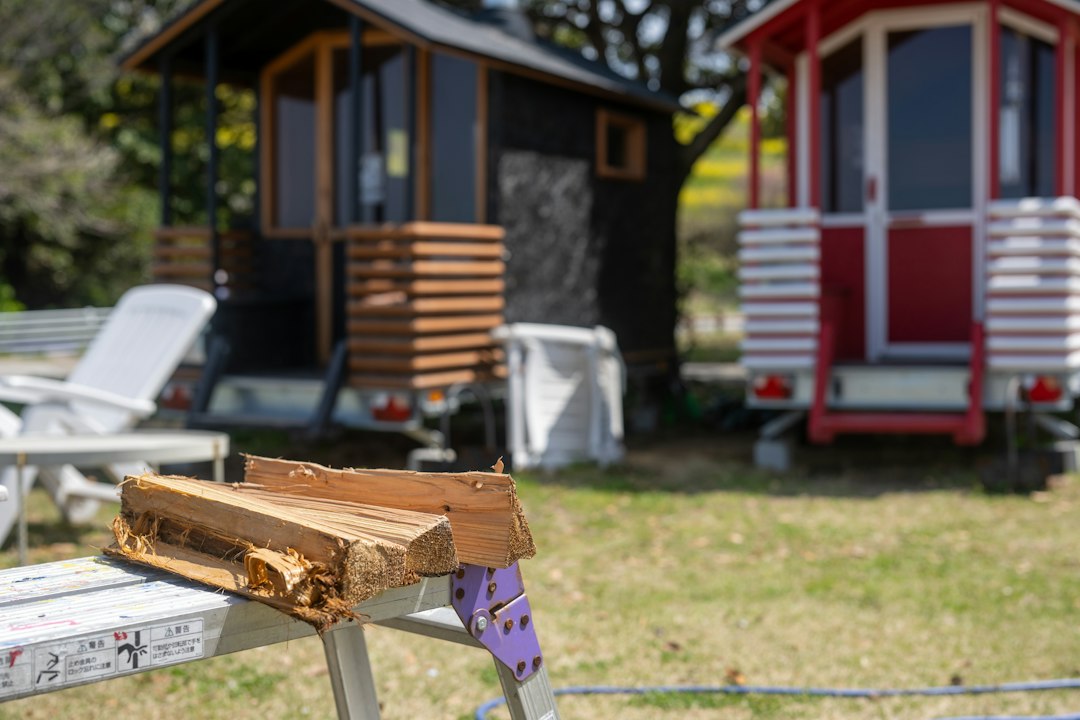
Introduction to Off-Grid Woodworking Automation
Combining an artisanal woodworking practice with an off-grid tiny house lifestyle requires a delicate balance of raw kinetic power and precise technological automation. For Canadian makers operating in remote regions—from the rugged coast of British Columbia to the pristine Canadian Shield in Ontario—energy is a finite, precious commodity. When your CNC router, heavy-duty jointer, and dust collection system are powered exclusively by a lithium-iron-phosphate (LiFePO4) battery bank and a solar array, efficiency is not just a convenience; it is a operational necessity.
Unfortunately, many makers experience frustrating performance bottlenecks. Voltage drops trigger inverter faults mid-cut, smart-home dashboards lag because of weak satellite internet, and automated dust collection systems fail to sequence correctly with heavy machinery. This guide explores how to fix off-grid tiny house automation for artisanal woodworkers performance, transforming an erratic workshop into a seamless, high-performance creative studio.
Understanding the Energy Demands of Artisanal Woodworking
Woodworking tools are notorious for high surge currents and heavy inductive loads. A standard 15-amp table saw or a professional thickness planer requires a massive spike of electricity the moment the motor starts. In an off-grid environment, this sudden demand stresses the inverter and can cause cascading automation failures, such as smart relays dropping offline or programmable logic controllers (PLCs) resetting.
The Voltage Sag Dilemma
When an inductive load kicks in, system voltage momentarily dips. If your automation hub is wired into the same unconditioned DC bus or auxiliary AC circuit, this dip can corrupt data packets or trigger brownout protections. To fix off-grid tiny house automation for artisanal woodworkers performance, you must isolate your sensitive automation hardware from your high-amperage tool circuits using dedicated pure sine wave sub-inverters and isolated step-down power supplies.
Calculating Real-World Loads in CAD Dollars and Watt-Hours
Consider a typical Canadian off-grid setup utilizing a 48V, 10kWh LiFePO4 battery system valued around CAD $6,500. Running a 2,000-watt dust extractor alongside a 1,800-watt band saw pushes your system close to its continuous output threshold. If your automation platform fails to sequence these loads, your inverter will trip on overload. Proper automation should use current-sensing switches to stage your dust collection before the tool spins up, and shut it down safely a few seconds after the cut finishes.
Troubleshooting & Problem Solving: Common Automation Failures
When automation systems in a tiny house workshop underperform, the root cause usually falls into one of three categories: power quality, communication latency, or mechanical-electrical feedback. Applying targeted Troubleshooting & Problem Solving techniques can drastically improve your workflow reliability.
Communication Protocols in Remote Canadian Back-Country
Many commercial smart-home hubs rely heavily on cloud servers. If your tiny house relies on a cellular booster or Starlink connection that occasionally drops out during heavy forest coverage or severe snowstorms, your automated workshop grinds to a halt.
- The Fix: Transition your workshop automation away from cloud-dependent ecosystems to local-first protocols like Home Assistant running on a low-power local Raspberry Pi or mini-PC. Utilize Zigbee 3.0 mesh networks or wired RS-485/Modbus connections for absolute reliability regardless of internet connectivity.
Sensor Calibration and Dust Mitigation
Woodworking creates fine particulate matter that wreaks havoc on electronic sensors. Dust accumulation on optical limit switches, temperature sensors, and smart relay terminals causes erratic readings and phantom automation triggers.
- The Fix: Enclose all automation microcontrollers, solid-state relays (SSRs), and current transducers in IP56 or NEMA 4 dust-sealed enclosures. Implement an automated compressed-air purge cycle that blows clean air across critical sensor lenses at the end of each workday.
How to Fix Suboptimal Results and Performance Drops
If your current automation setup is sluggish, prone to dropping device connections, or failing to protect your batteries, you need a systematic overhaul. Addressing How to Fix Suboptimal Results and Performance Drops in Off-Grid Tiny House Automation for Artisanal Woodworkers requires auditing both hardware and software layers.
Upgrading Inverter-Charger Integration and Load Shedding
A major performance drop occurs when an off-grid system attempts to run space heaters or battery warming pads simultaneously with woodworking machinery.
- Install Smart Current Transducers (CTs): Clamp CT sensors around your main workshop feed lines to monitor real-time amperage draw.
- Program Automated Shedding Rules: Configure your automation software to automatically disable non-essential loads—such as water heater elements, refrigerator boost cycles, or auxiliary cabin heating—the exact microsecond your table saw current sensor detects a start-up spike.
- Optimize Battery Communication: Ensure your solar charge controllers and inverters communicate via closed-loop CAN bus with your lithium battery management system (BMS). This prevents the system from prematurely throttling power to your tools due to false state-of-charge (SoC) calculations.
Comparative Analysis of Automation Strategies
| Automation Strategy | Reliability in Remote Canadian Climates | Initial Setup Cost (CAD) | Maintenance Overhead | Best Application for Woodworkers |
|---|---|---|---|---|
| Cloud-Based Wi-Fi Smart Plugs | Low (Fails during internet drops) | $50 - $150 | Low | Non-critical lighting only |
| Local Zigbee Mesh Network | Moderate to High (Local control) | $200 - $500 | Medium | Automated blast gates & LED task lighting |
| Wired RS-485 / Modbus & PLCs | Maximum (Industrial grade) | $1,000 - $2,500 | Low | Heavy dust collection sequencing & main power management |
Regulatory Compliance and Canadian Electrical Safety Standards
When modifying electrical automation systems in a Canadian tiny house, safety and legal compliance are paramount. All electrical installations must adhere strictly to the Canadian Electrical Code (CEC) Part I.
Grounding, Bonding, and Sub-Panels
Woodshops generate static electricity through dust moving rapidly through PVC or metal ductwork. Unbonded dust collection systems can cause static shocks and damage sensitive automation boards. Ensure your entire duct network is wrapped in bare copper wire tied back to the central workshop earth ground. Furthermore, any automation relays handling 120V or 240V circuits must be housed in CSA-approved or cUL-listed electrical boxes, installed by a certified Red Seal electrician where required by provincial regulations.
Generator Interlocks and Cold-Weather Operation
Canadian winters present unique challenges. Ambient temperatures dropping below freezing can cause lithium battery chemistries to lock out charging functions unless internal heating pads activate. Your automation system should prioritize battery warming cycles using grid or generator power before allowing high-draw woodworking operations to commence. Integrate a mechanical generator interlock kit on your main panel to safely bring in auxiliary backup power during prolonged overcast winter weeks without risking backfeeding the grid or damaging your automation logic controllers.
Step-by-Step Action Plan to Optimize Your Workshop
To successfully overhaul and optimize your setup, follow this practical implementation checklist:
- Audit Your Energy Baseline: Use a dedicated energy monitor to log peak and continuous wattages for every woodworking machine you own.
- Isolate Control Power: Move all automation hubs, microcontrollers, and routers to a dedicated 12V or 24V DC battery-backed uninterruptible power supply (UPS) system.
- Transition to Local Control: Migrate automation routines from cloud platforms to a local hub (such as Home Assistant) to eliminate latency and dependency on rural internet signals.
- Automate Dust Collection Sequencing: Install current-sensing switches on major power tools to trigger automated blast gates and dust extractor relays seamlessly.
- Enclose and Protect: Move all exposed electronic components into dust-tight enclosures equipped with proper heat dissipation venting.
By executing these targeted improvements, your off-grid tiny house workshop will deliver the reliable, high-performance power required for precision artisanal woodworking, no matter how remote your Canadian homestead may be.