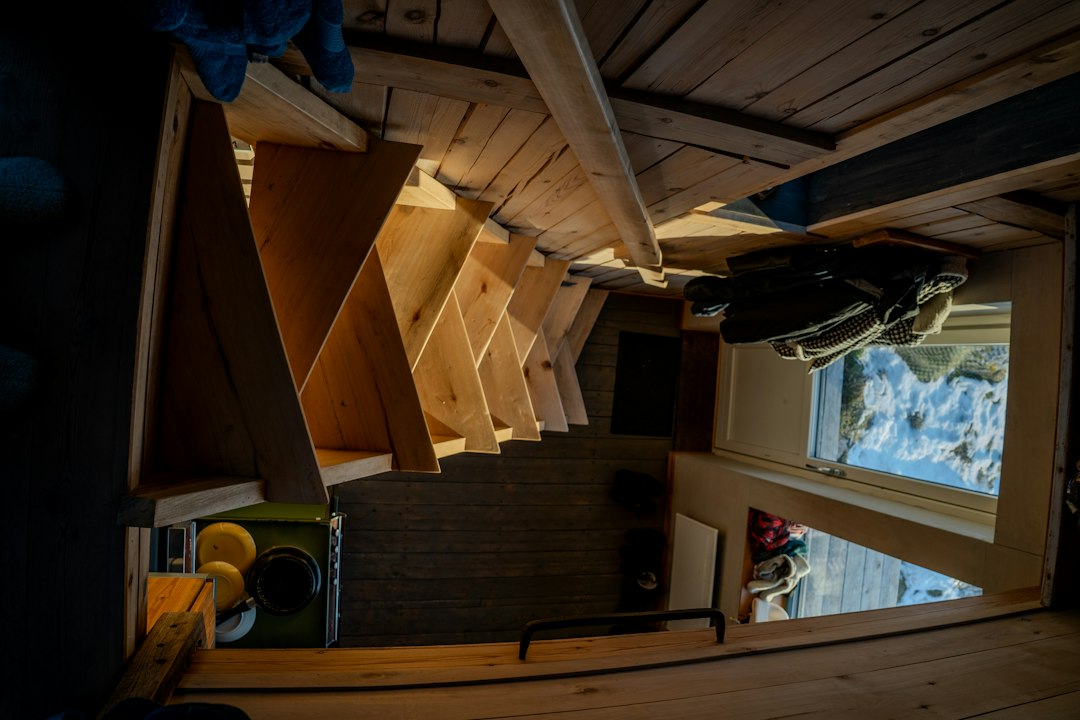
The Intersection of Off-Grid Living and Fine Woodworking
Balancing the art of fine woodworking with the constraints of an off-grid tiny house presents unique design challenges. Artisans working in remote Canadian settings—from the rugged coast of British Columbia to the snowy expanse of Northern Ontario—must master energy management just as carefully as they master joinery. When your primary power source is a photovoltaic array backed by a lithium-iron-phosphate (LiFePO4) battery bank, every kilowatt-hour matters.
Implementing intelligent off-grid tiny house automation for artisanal woodworkers productivity tips transforms a limited-space workshop into a streamlined, high-output studio. By integrating smart relays, automated dust collection, and intelligent climate monitoring, you can focus on hand-planing, dovetailing, and finishing without constantly worrying about tripping your inverter or draining your battery bank.
Power Management: Sizing Your Off-Grid System for Heavy Machinery
Traditional woodworking tools demand massive starting surges. A standard 15-amp table saw or a heavy-duty portable dust collector can easily draw 1,800 to 2,400 watts under load, with initial startup spikes reaching up to three times those figures. In an off-grid setup complying with the Canadian Electrical Code (CEC), your power architecture must handle these inductive loads smoothly.
Selecting the Right Inverter-Charger and Battery Bank
To run professional-grade woodworking equipment in an off-grid tiny house, you need a pure sine wave inverter with a high surge rating. A 48V system utilizing at least a 5kWh to 10kWh LiFePO4 battery bank is practically mandatory for a serious woodworking tiny house.
- Automated Load Shedding: Use smart home platforms (such as Home Assistant running on a low-power Raspberry Pi) to monitor your AC loads in real time. If battery state-of-charge (SoC) drops below 30%, program smart plugs to lock out high-draw stationary power tools until solar generation picks up.
- Generator Auto-Start Integration: Configure your inverter-charger to automatically trigger a quiet propane or diesel generator when battery voltage dips during extended overcast stretches common during Canadian winters.
Smart Dust Collection and Air Quality Automation
Dust control is non-negotiable in a compact tiny house workshop. Fine particulates from exotic hardwoods or manufactured panels pose severe health risks, while heavy sawdust accumulation creates a major fire hazard. However, running a dust extractor continuously drains off-grid batteries rapidly.
Automated Tool-Triggered Extraction
Instead of manually plugging and unplugging your dust collector, install current-sensing switches or smart plugs that automatically activate the extraction system whenever a tool is powered on.
- Microcontroller Integration: Use an ESP32 microcontroller paired with current sensors (like split-core CT sensors) on your main tool power lines. When the table saw or planer draws current, the ESP32 wirelessly signals the dust collector relay to switch on immediately, and remain on for an adjustable 10-second purge cycle after the tool stops.
- Automated Blast Gates: For an advanced setup, use linear actuators connected to smart relays to open blast gates exclusively for the tool currently in operation, maximizing suction efficiency and conserving energy.
| Woodworking Tool | Average Wattage (CAD Standard 120V/240V) | Recommended Automation Strategy | Energy Impact on Off-Grid System |
|---|---|---|---|
| Table Saw (10-inch) | 1,800W - 2,200W | Current-sensing smart switch + auto dust collection | High surge; limit simultaneous heavy operations |
| Random Orbital Sander | 350W - 450W | Smart plug with runtime tracking | Low impact; safe for continuous daytime use |
| Dust Extractor (2-HP) | 1,500W - 1,800W | Tool-triggered relay automation | Medium-High; optimize runtimes with purge delays |
| LED Task Lighting | 50W total | Motion-activated and lux-level dimming | Negligible; ideal for off-grid efficiency |
Climate Control and Timber Moisture Management in Canadian Winters
Wood movement is the eternal enemy of the artisanal woodworker. In Canada, ambient humidity swings dramatically between humid summer months and bone-dry, heated winter interiors. In an off-grid tiny house, maintaining stable temperature and relative humidity (RH) is vital to prevent warping, cupping, and cracked joints.
Automated HVAC and Dehumidification Schedules
- Smart Thermostats and Hygrometers: Install Zigbee or Z-Wave temperature and humidity sensors strategically around your lumber storage racks and workbench.
- Dynamic Heating Control: Program your diesel heater, propane wall furnace, or mini-split heat pump to maintain a stable workshop temperature between 18°C and 21°C. Tie your ventilation fans to humidity thresholds; if relative humidity exceeds 50%, automate an energy-efficient heat recovery ventilator (HRV) to cycle air without dumping all your precious heat.
- Frost Protection Mode: When you are away from the tiny house, configure an automated setback mode to keep the interior just above freezing (5°C) to conserve propane or battery power while protecting adhesives and water-based finishes from freezing.
Time-Saving Workflow Hacks and Digital Inventory Tracking
Space is premium in an artisanal tiny house workshop. Wasting time searching for hardware, measuring tapes, or specific grit sandpaper kills productivity. Implementing digital organization hacks saves valuable hours.
Inventory and Cut-List Automation
- NFC/RFID Hardware Bins: Apply Near Field Communication (NFC) tags to your hardware bins (screws, dowels, hinges). Tap your smartphone or a wall-mounted tablet running a local database to instantly update your stock levels and flag when you need to restock supplies during your next trip to the town hardware store.
- Voice-Activated Logging: Use local, offline voice assistants (such as Home Assistant's Assist feature running via Whisper) to log cut dimensions or project notes hands-free while your hands are busy holding timber or operating hand tools. This eliminates the need to stop, remove sawdust-covered safety glasses, and write on paper notebooks.
Optimizing Lighting and Ergonomics for Precision Work
Fine woodworking demands exceptional visual clarity to spot tear-out, check glue lines, and evaluate hand-planed surfaces. Off-grid lighting must balance high lumens with ultra-low energy consumption.
Zoned LED Automation
- Task-Specific Illumination: Install high-CRI (Color Rendering Index > 95) LED strip lights over your workbench, lathe, and assembly table. Program motion sensors and capacitive touch switches to activate specific zones automatically depending on the tool you approach.
- Daylight Harvesting: Use exterior light sensors to dim interior auxiliary lighting when bright Canadian sunlight floods through your tiny house windows, preserving solar battery reserves for evening glue-ups and hand-tool detailing.